Stone, Olive, and Time: The Slow Rhythms of Rural Tuscany
Stepping off the busy Florence-Rome corridor into the weathered stone farms and olive groves of the Val d'Orcia.
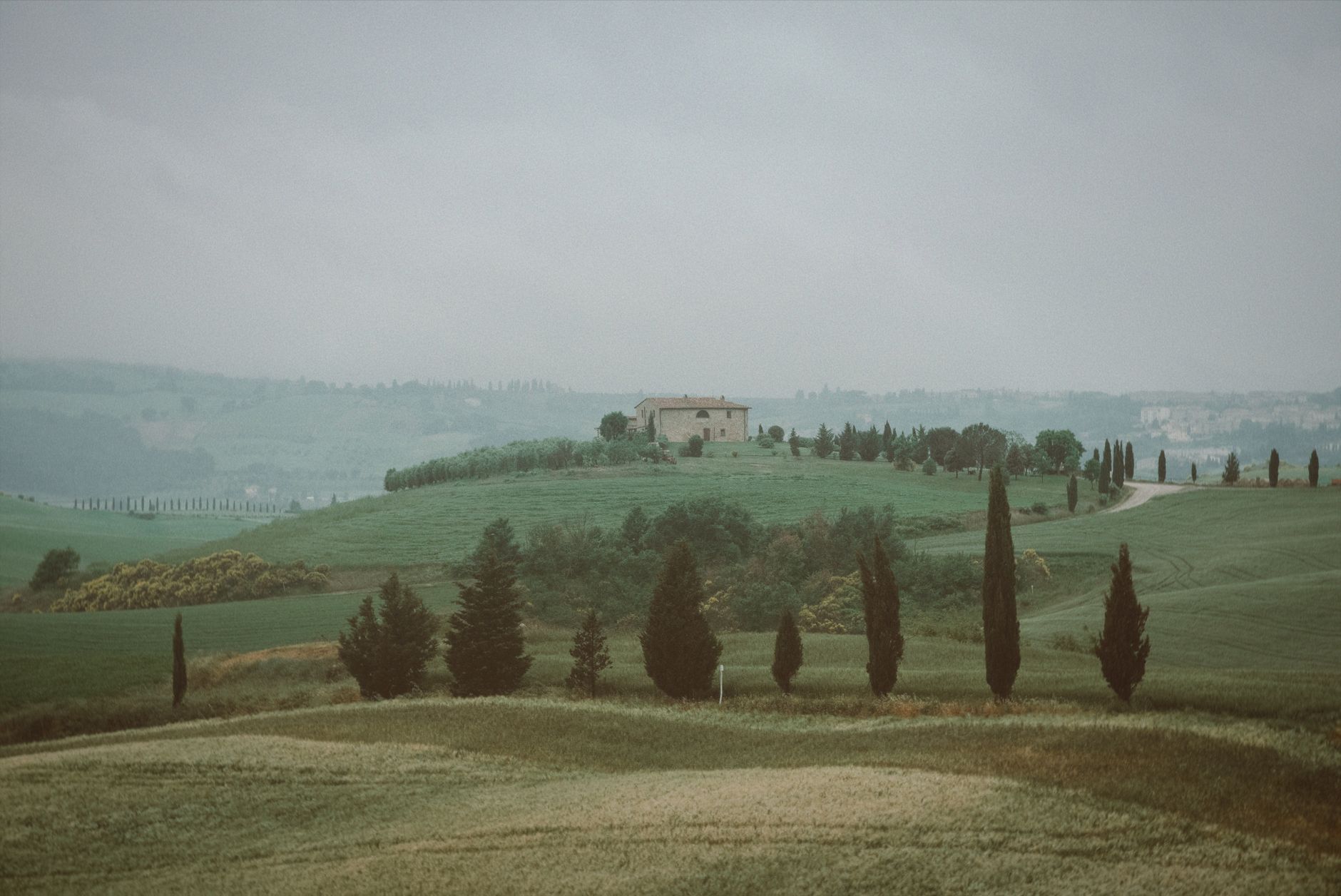
1. The Crete Senesi Clay
South of Siena, the landscape dissolves into sweeping waves of gray-yellow clay hills known as the Crete Senesi. Sculpted by seasonal rains and millenniums of agrarian patience, these hills carry a monastic serenity. Isolated stone farmhouses anchor ridgelines, connected only by winding ribbons of gravel flanked by slender Tuscan cypress trees.
"Tuscany is not an itinerary to be conquered, but an ancient seasonal agreement between human hands and limestone soil."
2. Life in the Stone Casale
The traditional Tuscan casale is constructed from local travertine and tufo stone. Its thick walls absorb the searing Mediterranean heat of July and hold the hearth-warmth through damp November mists. On the ground level, arched stable ceilings now house dining tables made of chestnut planks where travelers gather around shared dishes of pici al fumo and aged pecorino di Pienza.
3. Olive Pressing Traditions
In late October, hill slopes awaken to the sound of olive rakes hitting branches. Olives are picked by hand in nylon nets and rushed to municipal frantoi within twelve hours of harvest. The resulting olio nuovo is intensely green, peppery, and rich in polyphenols—a testament to land that has been tended by families across fifteen generations.
4. Recommended Waypoints
Avoid peak summer months. Plan your visit during mid-autumn or early spring when morning fog settles in the river basins. Walk the section of the Via Francigena between San Quirico d'Orcia and Radicofani, pausing at natural hot sulfur springs along the way.
Explore Italy with 111111
Connect with our editors to craft an independent driving route through rural Tuscany.
Request Italian Itinerary