The Architecture of Taste: Understanding Kyoto's Tea Traditions
Inside the secluded chashitsu of Higashiyama, where stone, reed mats, and hot spring water assemble in ritual balance.
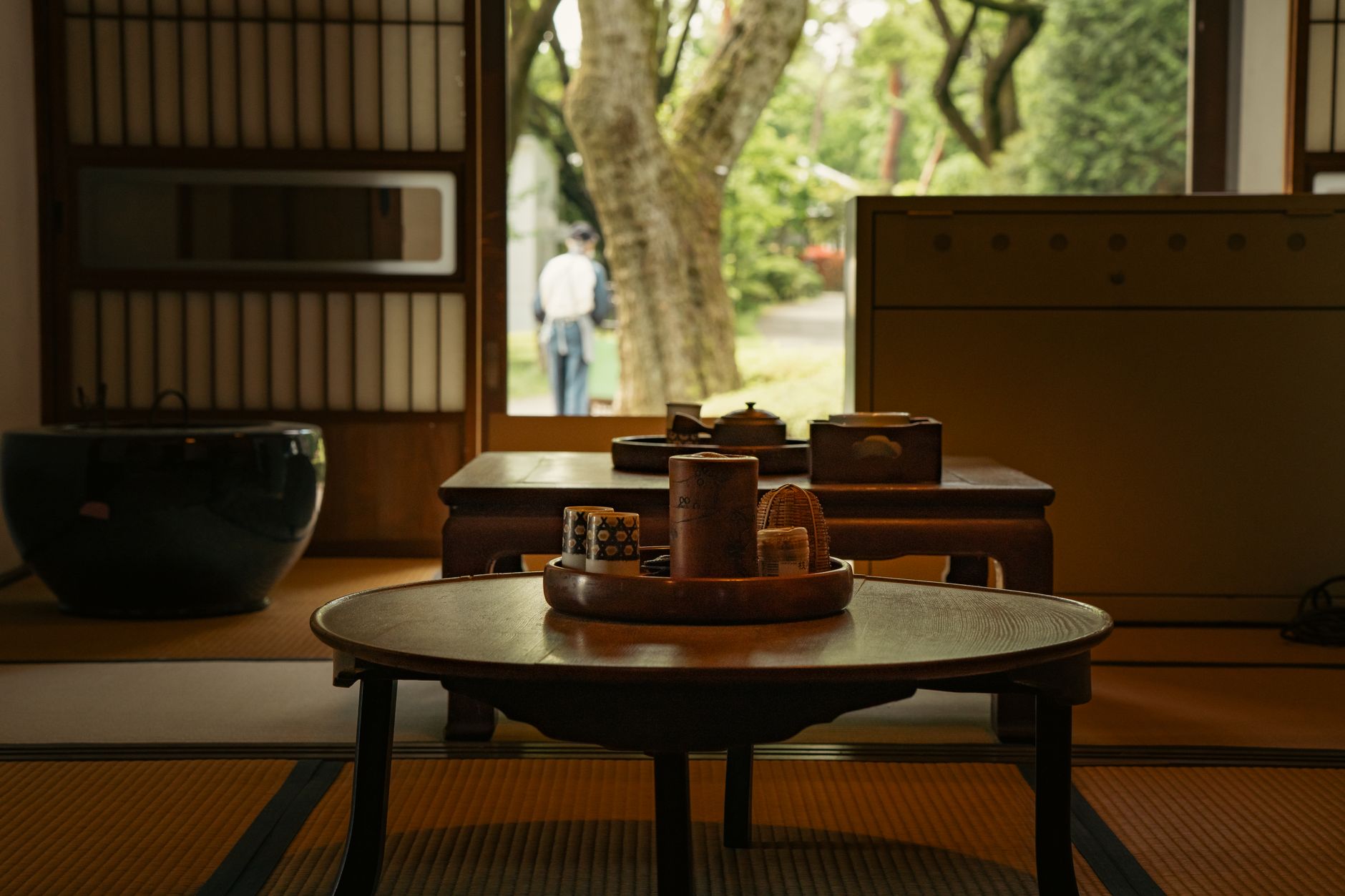
1. Crossing the Roji
In Kyoto, tea is never approached in haste. Before one ever glimpses the host or the hearth, one walks the roji—the dewy stone pathway leading through a modest garden of moss, ferns, and water basins. This deliberate architectural transition strips the voyager of everyday social hierarchies and street clamor.
To reach the entrance, every guest must stoop through the nijiriguchi, a miniature square sliding doorway less than three feet high. Even armed samurai were forced to leave their swords outside, entering the room as equals stripped of worldly stature.
"The tea ceremony is not entertainment; it is an architectural and spatial meditation on transience, named wabi-sabi."
2. Proportions of the Room
The classic tea pavilion devised by tea master Sen no Riky&umacron; measures just four-and-a-half tatami mats, or approximately ten feet square. The walls are finished in earthen plaster composed of local soil, straw, and clay. No extraneous adornment is permitted save for a single hanging scroll in the tokonoma alcove and a seasonal flower arrangement (chabana) arranged to look exactly as it grew in the wild.
3. The Bowl and the Season
The powdered green tea (matcha) arrives in a ceramic chawan sculpted by hand, often fired in Raku kilns that have operated continuously in Kyoto since the sixteenth century. The bowl feels heavy in the palm, its unglazed foot warm against skin. With each turn of the bowl, guest and host acknowledge the singular uniqueness of this meeting—ichigo ichie: one time, one meeting.
4. Quiet Etiquette
For modern travelers visiting Kyoto, engaging with tea culture requires patience and restraint. Choose private ateliers over tourist-heavy performance venues. Dress modestly in soft clothing, remove rings and jewelry that might scratch venerable antique ceramics, and permit silence to fill the space between movements.
Explore Traditional Kyoto with 111111
We arrange private cultural appointments with historic Kyoto workshops and private teahouses.
Inquire for Japan Routes